The Complete Lawn Care Guide: How to Get a Healthy, Weed-Free Lawn
A healthy lawn doesn’t come from guesswork or quick fixes. It comes from understanding how grass grows and supporting it properly through the seasons. Most lawn problems — weeds, patchiness, poor colour, and weak growth — are caused by missing fundamentals rather than lack of effort.
This guide explains how to care for your lawn properly, step by step, so you can achieve long-term results instead of short-lived improvements.
Lawn Care Basics: The Foundation of a Healthy Lawn
Before applying fertilisers or weed treatments, the basics must be right. No product will compensate for poor mowing or watering habits.
Correct Mowing Practices
Mow regularly during the growing season
Never remove more than one-third of the grass height in a single mow
Use sharp mower blades to avoid tearing the grass
Slightly taller grass improves drought tolerance and suppresses weeds
Consistent mowing encourages dense growth, which naturally crowds out weeds.
Lawn Fertiliser: Feeding Your Lawn the Right Way
Grass is a living plant and requires nutrients to stay healthy, recover from mowing, and compete with weeds.
What Fertiliser Does for Your Lawn
Improves colour and leaf density
Strengthens root development
Supports recovery after stress or damage
Helps prevent weed invasion by thickening turf
Best Practice for Fertilising
Apply smaller amounts more regularly rather than heavy applications
Use balanced fertilisers for steady growth
Avoid fertilising stressed or dormant lawns
Over-fertilising can cause burning, excess growth, and disease
A consistently fed lawn is easier to maintain and far more resilient.
Weed Control: Why Identification Matters
Weeds are a symptom of an unhealthy or stressed lawn. Killing weeds without improving turf health usually leads to repeat problems.
Smarter Weed Control
Identify weeds before choosing a treatment
Treat weeds when they are actively growing
Spot spraying is often more effective than blanket spraying
Expect follow-up treatments for established weeds
Combining weed control with proper feeding gives the lawn the ability to recover quickly.
Lawn Watering: One of the Most Important Factors
Incorrect watering is one of the most common causes of lawn failure.
Common Watering Mistakes
Watering lightly but too often
Watering in the middle of the day
Assuming rainfall equals adequate watering
How to Water a Lawn Properly
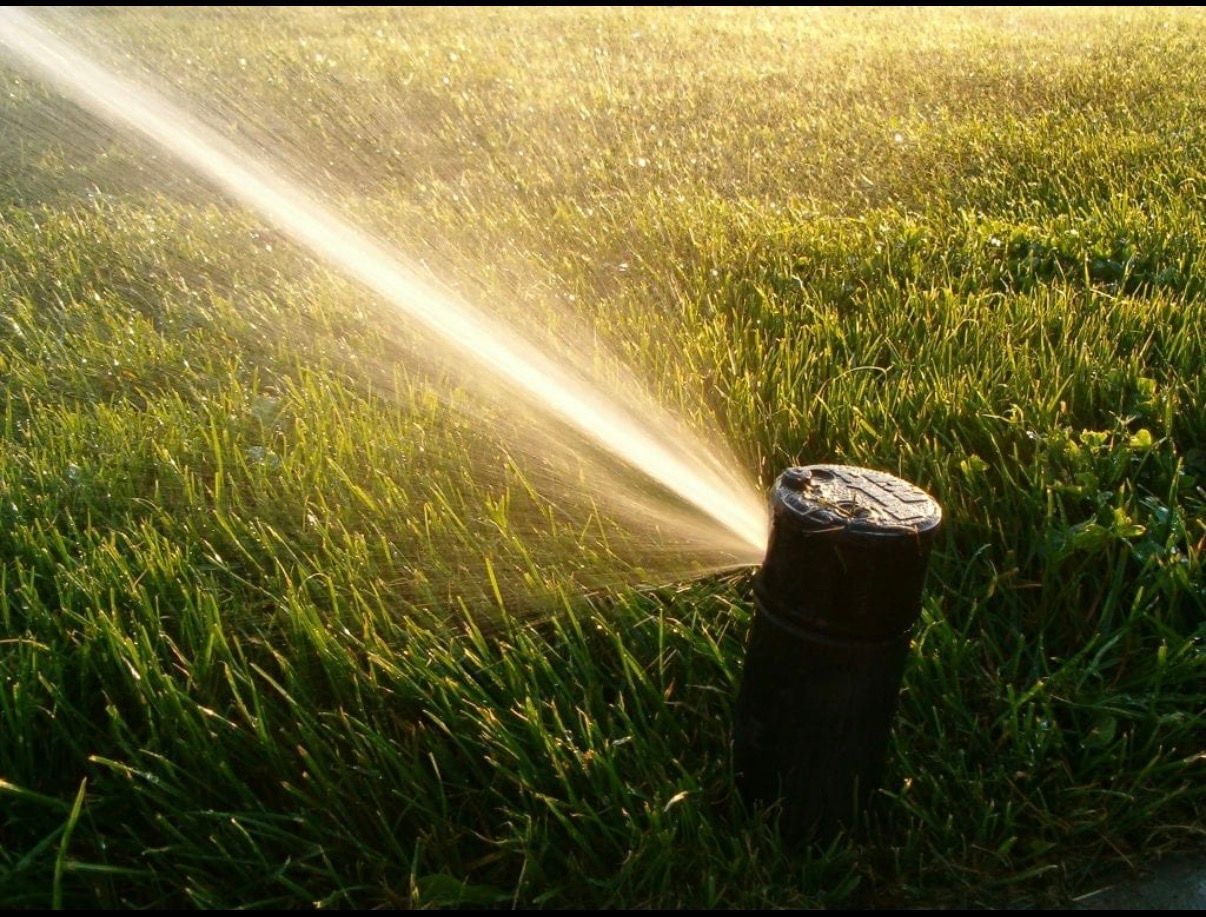
Water deeply and less frequently
Aim to soak the soil profile, not just the surface
Early morning watering is best
Adjust watering based on soil type and weather
Deep watering encourages deeper roots, making lawns more drought-resistant and robust.
Grass Grub and Lawn Pests: What to Watch For
Grass grub and similar pests can cause serious damage if left untreated.
Signs of Grass Grub Damage
Brown or thinning patches
Turf lifting easily from the soil
Increased bird activity on the lawn
Effective Control
Timing of treatment is critical
Not all products work at all life stages
Healthy lawns recover faster after pest damage
Early identification and correct timing deliver the best results.
When Lawn Renovation Is the Best Option
Sometimes maintenance alone isn’t enough. Lawns that are heavily infested with weeds or have large bare areas often benefit from renovation.
Lawn Renovation Is Recommended When:
Weeds make up more than half the lawn
Large areas are bare or compacted
The lawn struggles to improve year after year
What a Lawn Renovation Involves
Removing weeds and excess thatch
Preparing the soil properly
Re-seeding or turf repair
Careful watering and feeding during recovery
Renovation resets the lawn and provides a strong foundation for long-term success.
Ongoing Lawn Maintenance for Long-Term Results
Once your lawn is healthy, ongoing care keeps it that way.
Focus on:
Seasonal mowing adjustments
Regular but controlled feeding
Monitoring for weeds and pests early
Maintaining good soil health
Consistency always beats reactive treatments.
Lawn Care Summary
A great lawn isn’t built overnight. It’s the result of correct mowing, proper watering, smart fertilising, and timely weed and pest control. When the fundamentals are right, lawns become thicker, greener, and easier to maintain.
If you’re unsure what your lawn needs or want a tailored plan for your property, professional advice can save time, money, and frustration.
Recent Posts